Kinds of Dogs is under
Australian Cattle Dog
Yes, the Australian Cattle Dog from Down Under. A working dog that is traditionally occupied with controlling and herding cattle, its qualities are exceptional intelligence, alertness, resourcefulness, and a fiercely protective loyalty over its property and people. They are agile, strong, active dogs, both physically and mentally, which revel in new experiences. The flip side is that they bore easily and will unintentionally find trouble while looking for activities to occupy themselves with. The Cattle Dog is very organized; many are known for putting their own toys away after playing.
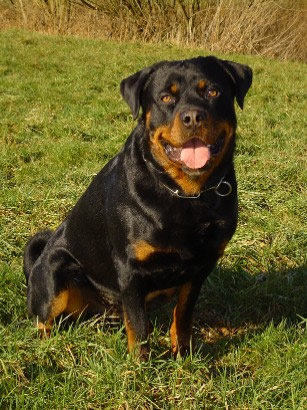
Rottweiler
Another herding dog, the Rottweiler began in Germany as a true work companion. They are still primarily used for work as guard dogs and as police dogs. They are well known for their stoicism, keen perception, courage, and unflagging loyalty. They make an excellent addition to the family.
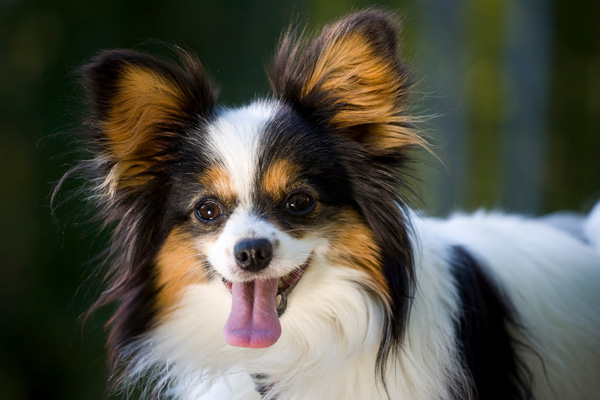
2Papillon
This deceptively cute, butterfly-eared dog is smarter, tougher, and stronger than it appears (it's like the bionic dog). Often described as big dogs in little bodies, they have the athletic stamina to keep up on long walks, and the bravura of a canine ten times its size. The Papillon is a true companion and watchdog. Although they can be ferociously protective over what belongs to them, their keen intelligence makes it possible to take them anywhere. Let's not forget they can be litter trained, a big plus.
Do you think your dog is in the top 10th percentile of its species? Should you start filling out that Mensa application for your fido? Take a peek at our list to see if your dog's breed is one of the top 10 smartest dog breeds in the world.
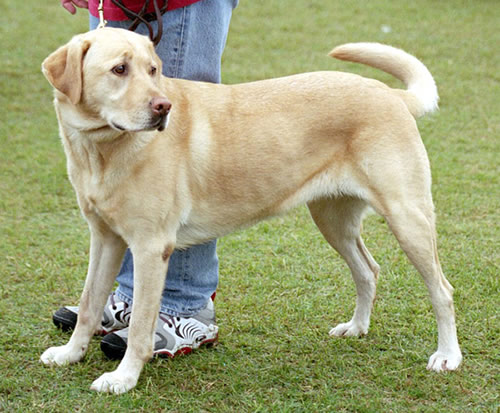
Labrador Retriever
The Lab, as it is affectionately called, is the most popular breed chosen by families. Another member of the working class of dogs, the Lab is best known for its intelligence, affection, patience, and gentility, making them perfect companions for households with kids. They are easily trained, and, in fact, are one of the top dogs chosen for search and rescue, assisting the disabled, and police work. They are also known to self train, observing behaviors in humans and repeating them -- a great asset in emergency situations.
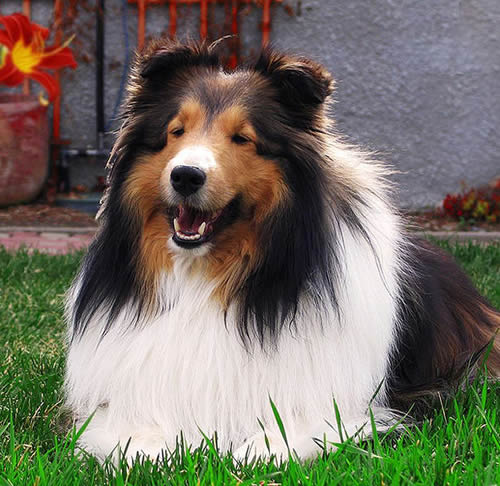
Shetland Sheepdog
Another herding dog, the Shetland takes this ability into the home, showing the same commitment and protectiveness over its human "herd" as the farm raised version does. Highly intelligent, the Sheltie handles life with great efficiency and diligence, learning new commands with little repetition, and making sure that all of the family is safe, sound, and in place. They show great devotion to their families, and are happy to live just about anywhere.
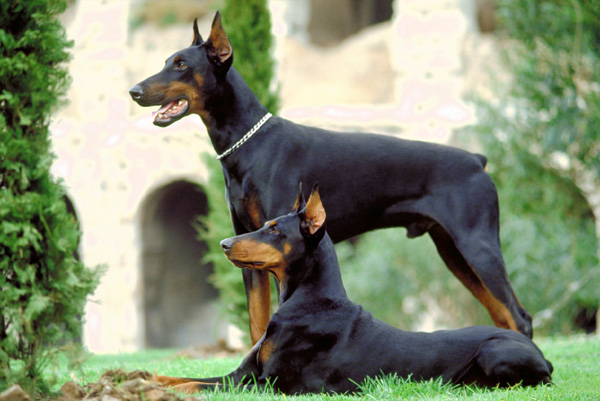
Doberman Pinscher
Due to an inborn fearlessness and deep stamina, the Doberman is one of the most popular of guard dogs. Smart and assertive, they can easily be trained for dominance or docility. Because of their past as war and police dogs, they may appear fearsome, but they are actually quite gentle. Their loyalty and acuity make Doberman's great additions to the family.
Golden Retriever
A very affectionate and popular breed, the Golden Retriever is highly regarded for its intelligence. They can learn well over 200 commands, making them indispensable companions, both in the home and in the workplace. Loyal, loving, and patient, with a willingness to please and a love of learning, this is a fabulous companion pet to bring into your family.
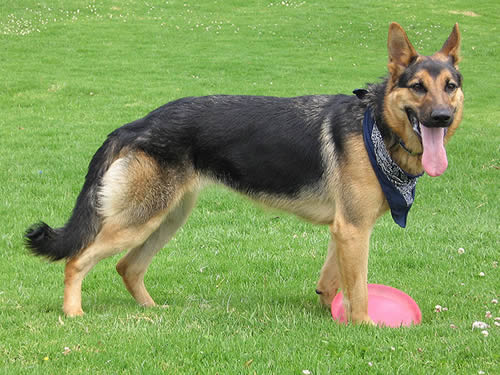
German Shepherd
The Shepherd was originally bred specifically for intelligence. Smart, courageous, and protective, the Shepherd is one of the most dependable of companions. They learn tasks after only a few repetitions, and obey first commands nearly always the first time it is given. They are eager to learn new tasks, as this gives them direction and purpose -- very important for a Shepherd. Besides being used for herding animals, they are often used as guard dogs, police dogs, search-and-rescue dogs, and have even been trained by the military for parachute jumps.
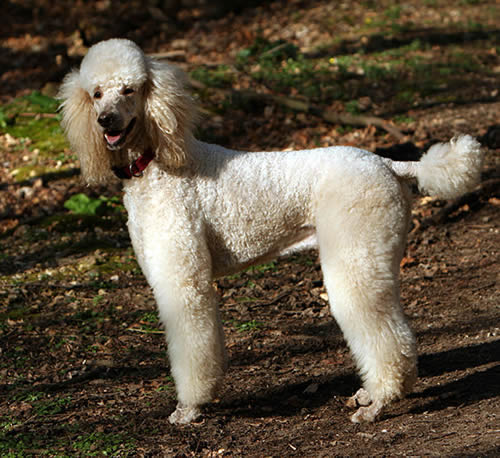
Poodle
Easily trainable, steadfast, and sharp-minded, Poodles flourish in human company. Even with the frou-frou hairdos, Poodles are sometimes made to endure and can be quite effective as guard dogs, especially the standard sized Poodles. In fact, the "poodle clip," was created specifically for the working Poodle, so that it could swim more effectively, while still having fur to protect its organs as it went about the business of hunting and retrieving. The Poodle excels at training and obedience, and also loves creative play time. This is what made them so popular as circus performers. But, this can be a drawback as well. If left alone to boredom, Poodles can be creative about finding ways to amuse themselves, sometimes finding trouble along the way.